Rebuilding a security product through acquisition

CONNECTWISE

Security was a key driver in ConnectWise's acquisition of SkyKick. I'd been leading the design of SaaS Security — Microsoft 365 security reporting for IT service providers — and now I needed to scope it down, rebuild it on a new platform, and ship it in 9 months. New org, teams that hadn't worked together before, and a product that needed to prove its value fast.

StrategySecurityB2B SaaS
RolePrincipal Product Designer
Timeframe9 months
Team1 PM, 1 Lead Engineer, 2 Engineering teams
Rebuilding a security product through acquisition
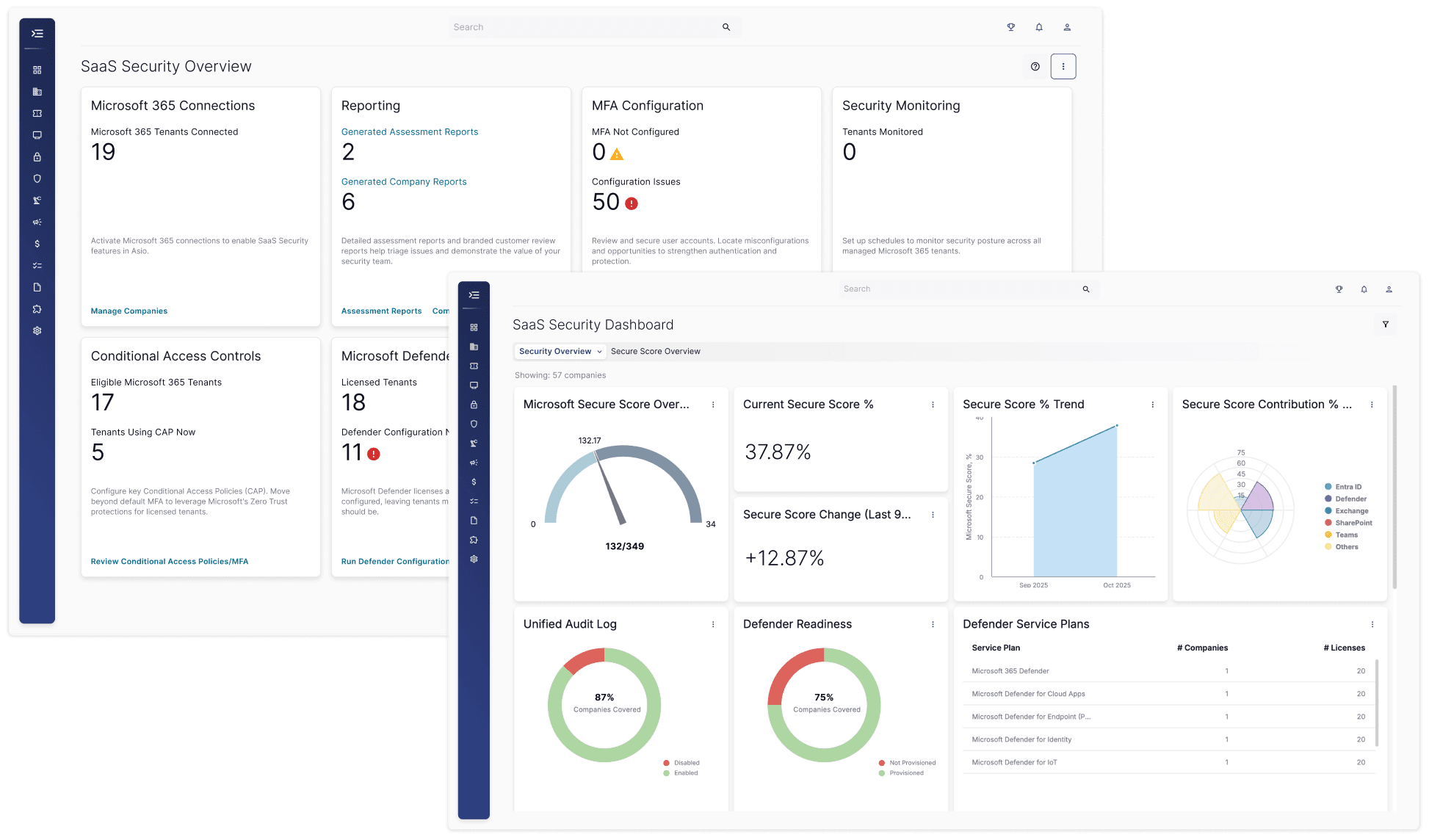
The SaaS Security overview — rebuilt on a new platform, focused on what partners need most.

Problem

The legacy product was too wide to move intact. IT service providers need to monitor security and compliance across dozens of Microsoft 365 customer environments — without it becoming a full-time job. The legacy product handled that, but the experience hadn't kept pace with the engineering. Moving the full feature set wasn't an option. Working with the product owner and engineering lead, informed by usage metrics, we scoped down to reporting. We opted for growth in the new platform — a simpler experience aimed at a broader partner base.
Cloud Security legacy product
Before: the legacy Cloud Security product interface, packed with features from years of development.

Approach

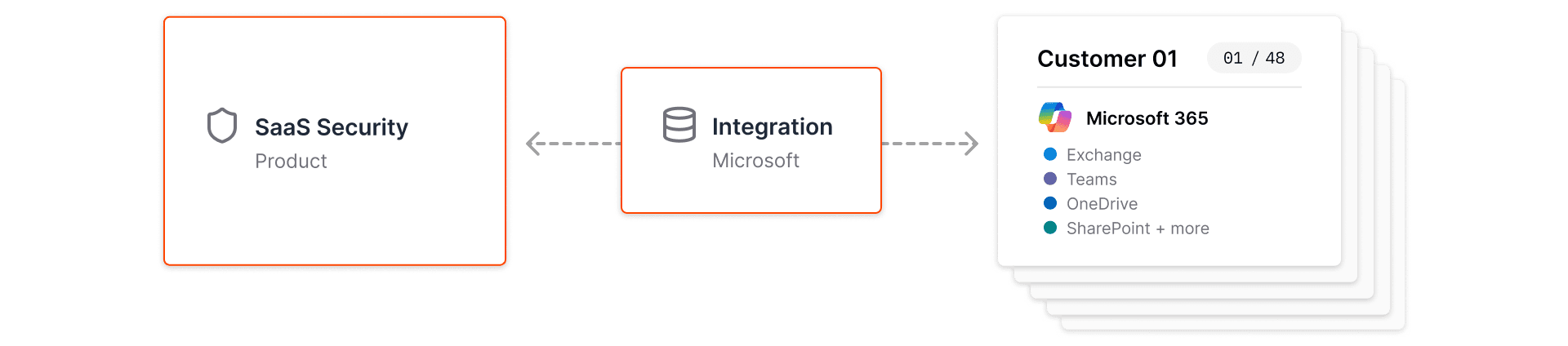
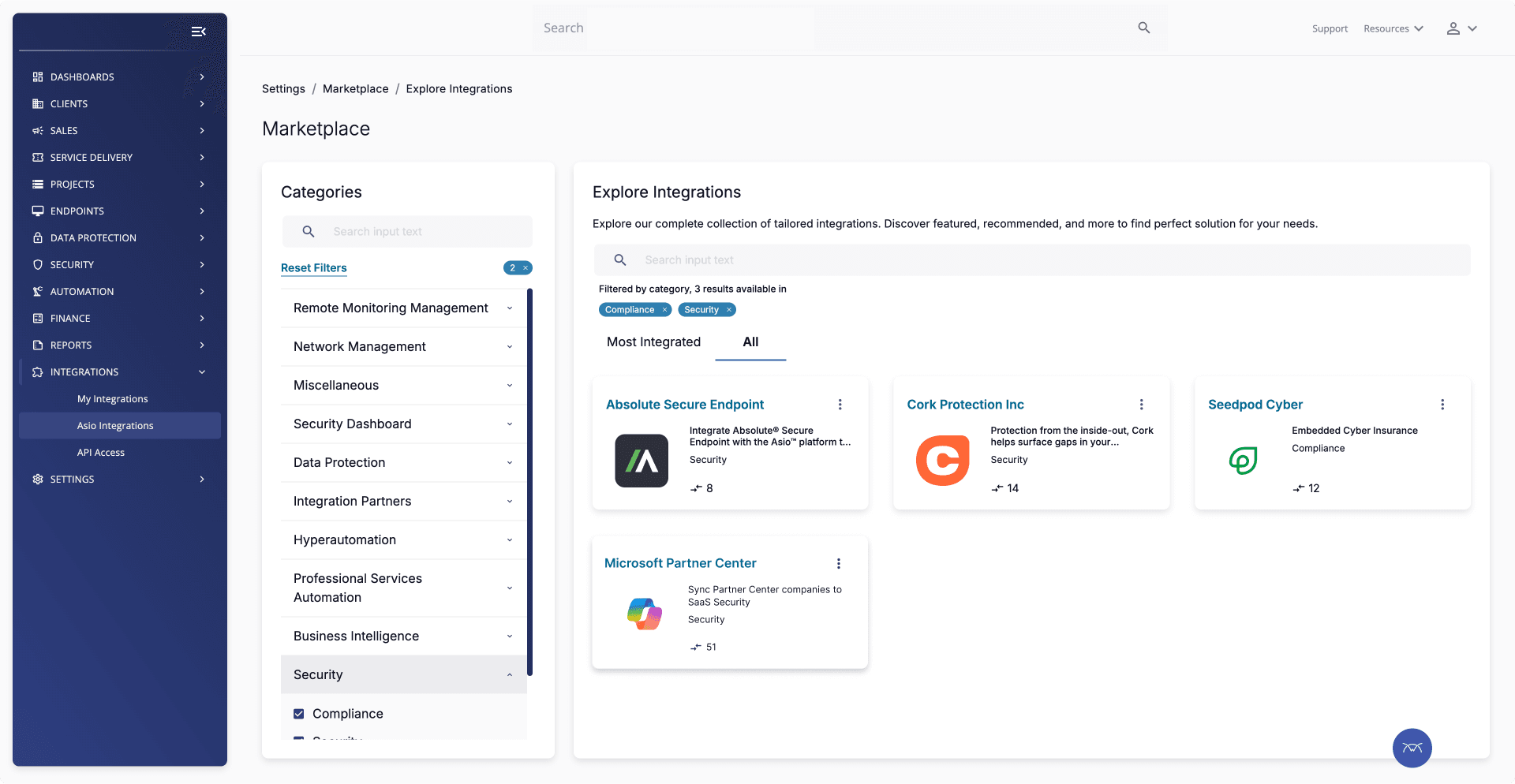
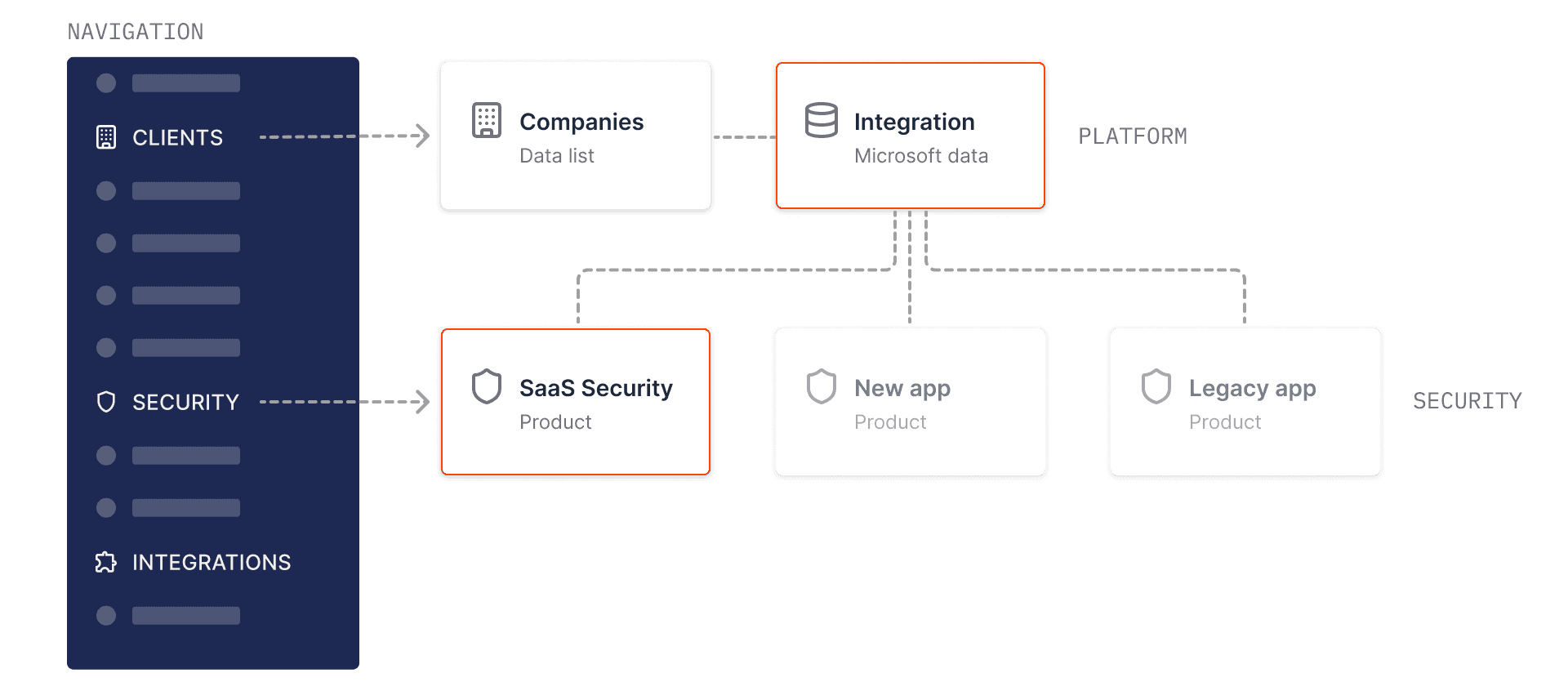
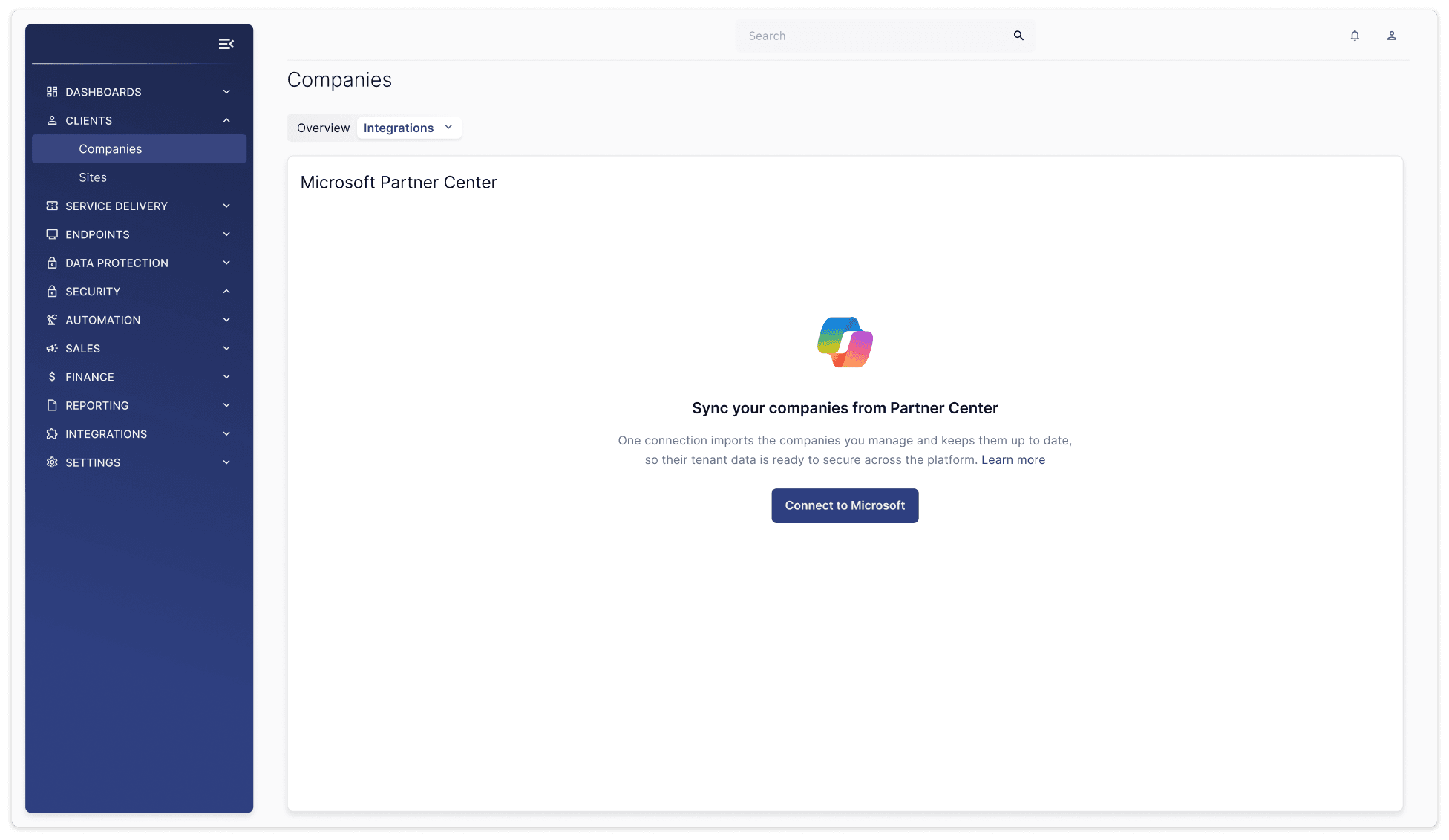
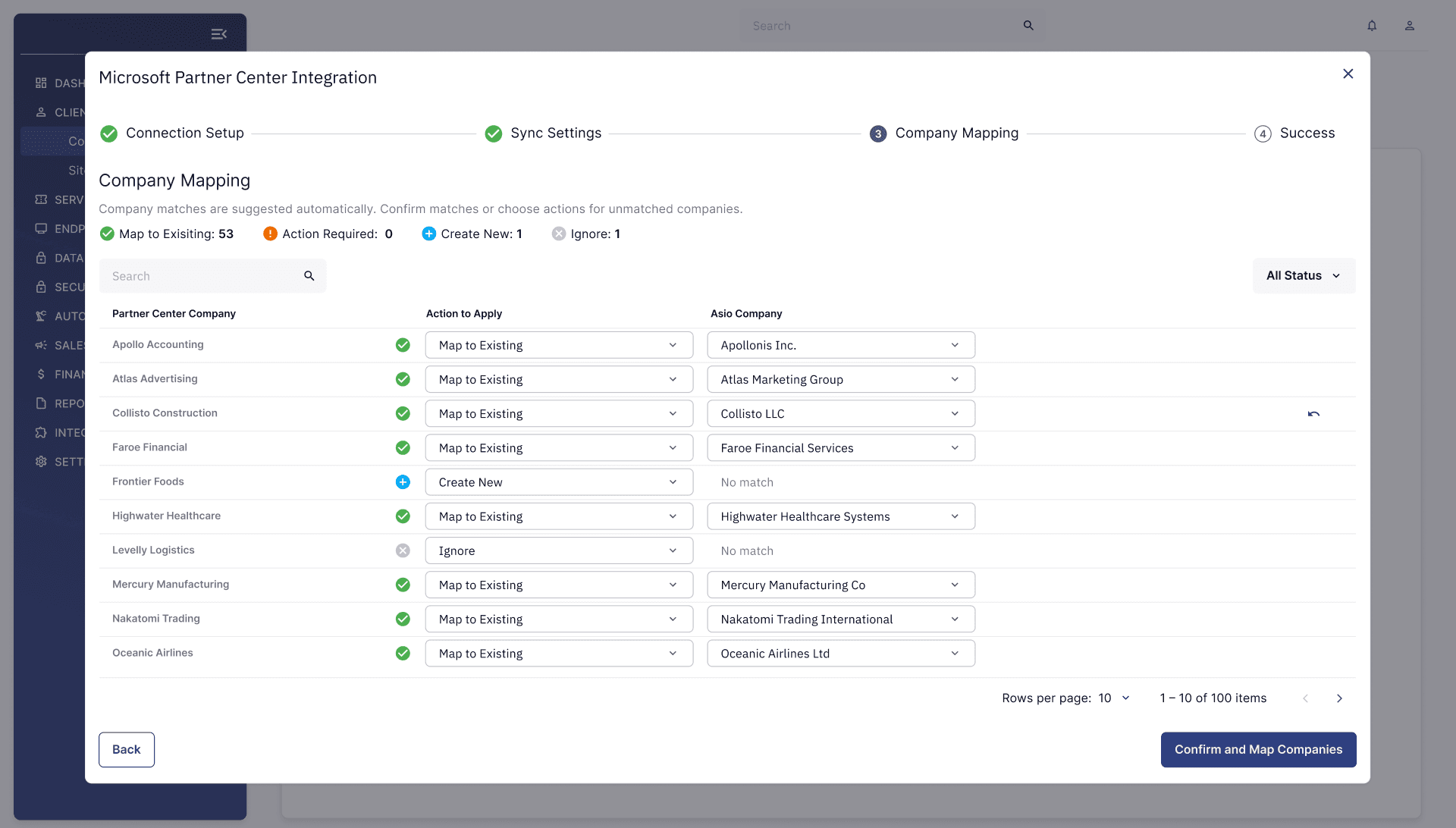
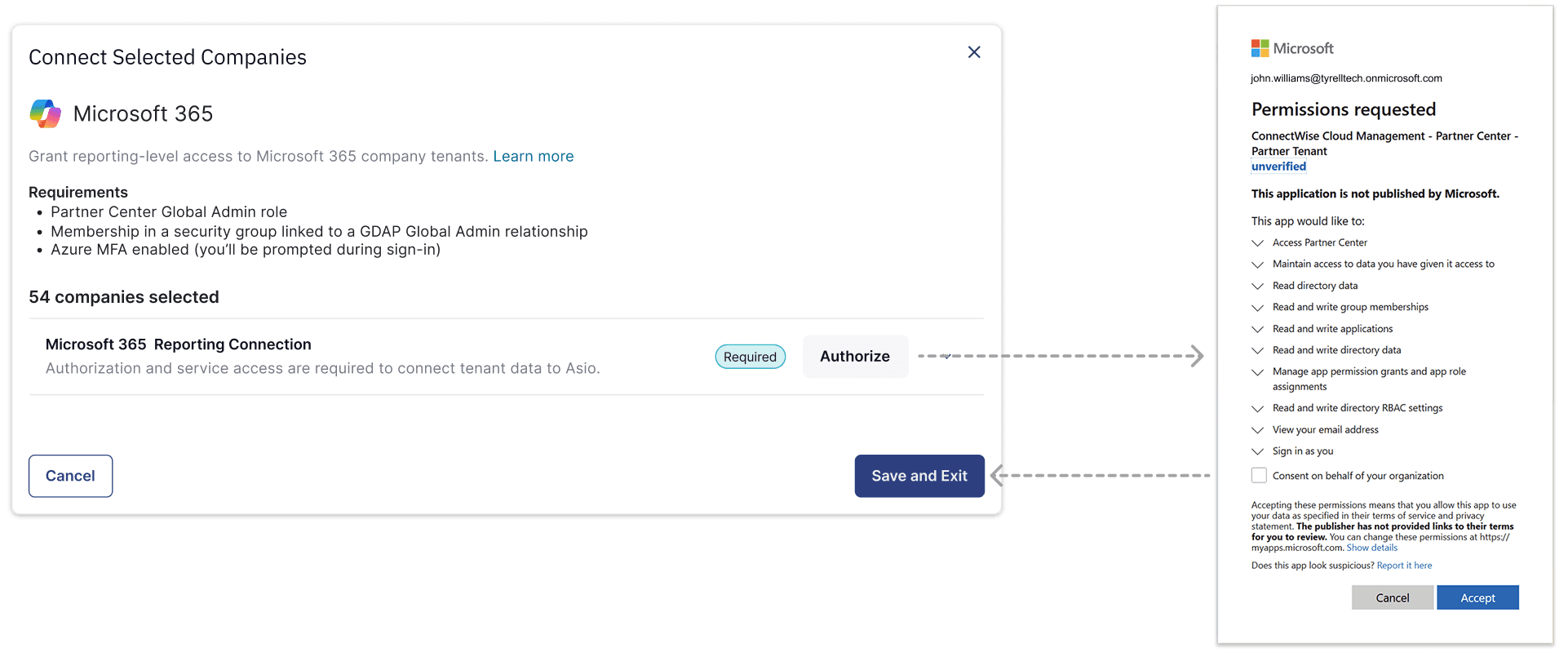
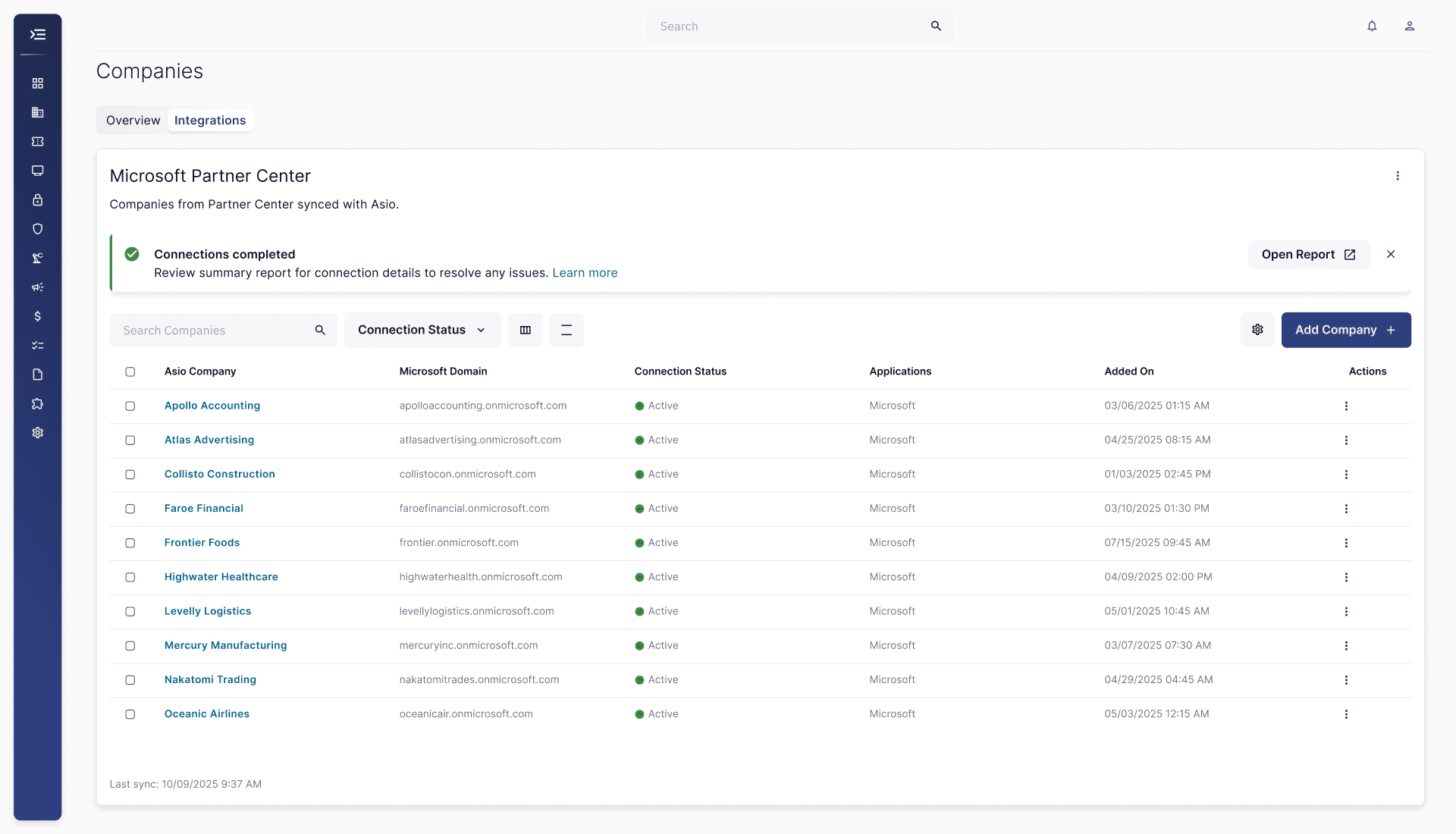
Simplify the product. Invest in the platform. I pushed beyond a rebuild to reduce complexity at its source — removing technical friction, streamlining onboarding, and addressing long-standing UX issues instead of carrying them forward — as long as I didn't add scope. Before any security feature could ship, partners needed their Microsoft 365 tenants connected. I designed the Partner Center integration — a company mapping experience that connected customer accounts into the platform. We chose to build it as a shared platform capability rather than a one-off feature because we knew it provided a wealth of data, extending its value across products. I partnered across teams to align on the approach, building trust with Product and Design leaders while navigating competing priorities, and helping establish a foundation other teams could build on.
Interactions and edge cases validated in Figma Make before dev handoff.

Solution

We didn't rebuild everything — we rebuilt the right things. The scoped feature set was deliberate: each capability was designed to deliver value quickly and leave room to grow.

1

Prompt engagement cards

I had been driving product-led growth initiatives for the security product with a focus on reducing time to value. I brought in a pattern I'd proven at SkyKick — engagement cards on the overview page, each representing a feature or adoption metric. With no precedent in the ConnectWise design system, I created and defined the pattern and components so other teams could leverage this approach — shifting the organization away from manual, service-driven workflows.

Overview page showing engagement cards in active state with live metrics
Engagement cards in active state — live metrics across connections, reporting, configuration, and monitoring.
2

Automated security reporting

For an IT service provider, getting a multi-customer security report delivered to your inbox Monday morning was dreamy. To get there, users added a scheduled task. Once active, the tasks provided an activity log and access to historical reporting.

Add a task step of Monitor and Schedule wizard
Scheduled tasks setup wizard for automated reporting with options to deliver via email.
3

Security posture

Security providers evaluate the security of their customers using assessments. I designed it so users could assign a custom baseline or use any framework-based standard (e.g., Microsoft, CIS, HIPAA). At the individual control level, a user can review historical activity to view gaps and align it back to a baseline.

Security posture baseline control activity view
Activity log of a security baseline control, allowing a user to track drift and remediate.

Outcomes

First delivery from a new team. It set the bar. SaaS Security launched as the first major delivery from a newly formed team. The quality of the product and the way we delivered it became a reference point in the org. Leadership saw the value and pushed to elevate the product's position in the platform navigation — which opened up conversations across product teams about priority and hierarchy. The Partner Center integration landed the way we'd hoped — other teams adopted it into their own roadmaps. Working with the product owner, we started mapping how PLG, reporting, and posture management could support a common customer journey through Security. With more time, that's where I would have pushed hardest.

Now our ops team is able to validate and report on all our client's security posture in a single pane … allows us to manage more clients with the same resources.